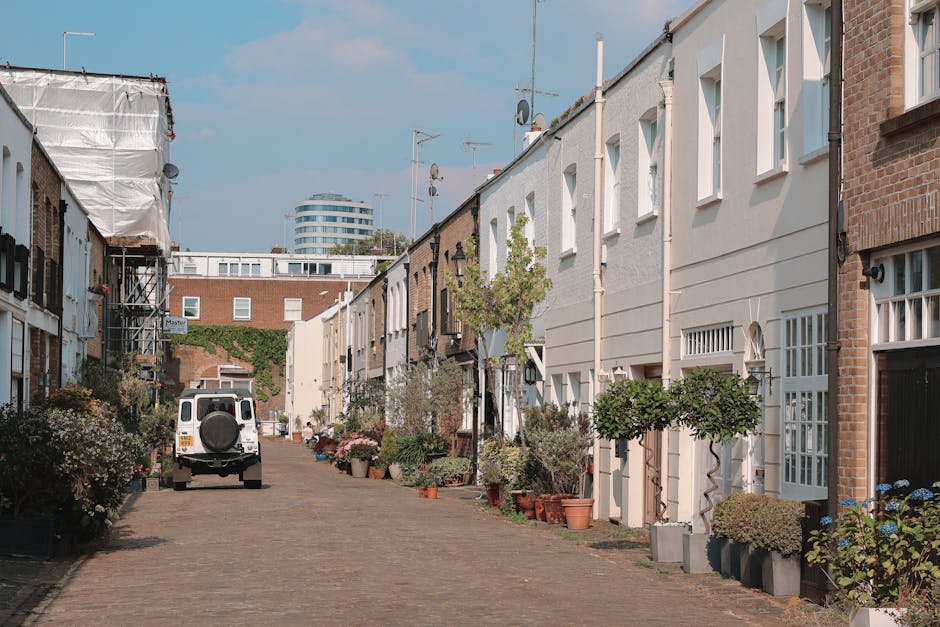
Fulham Road removals guide for town flats
Moving out of a town flat on Fulham Road sounds simple right up until you start carrying boxes, negotiating narrow stairwells, and trying not to block a busy London street at the exact wrong moment. This Fulham Road removals guide for town flats is here to make the whole thing feel a lot more manageable. Whether you are leaving a compact apartment above shops, a purpose-built flat with tight lifts, or a period conversion with awkward corners, the key is planning around the building, the road, and the people who live around you. That part matters more than most people expect.
In the guide below, you will find a practical walkthrough of how flat removals on Fulham Road tend to work, what makes them different from a standard house move, where people usually get caught out, and how to keep the day calm. Truth be told, a well-run flat move is less about brute force and more about timing, access, and a bit of common sense.
Table of Contents
- Why this kind of move matters
- How the moving process works
- Key benefits and practical advantages
- Who it is for and when it makes sense
- Step-by-step guidance
- Expert tips for better results
- Common mistakes to avoid
- Tools, resources and recommendations
- Law, compliance, standards, or best practice
- Options, methods, or comparison table
- Case study or real-world example
- Practical checklist
- Conclusion
- Frequently asked questions
Why Fulham Road removals guide for town flats Matters
Fulham Road is not the sort of place where you can just wing a move and hope for the best. The road is busy, parking can be limited, and flats in this part of London often come with one or more awkward access issues: shared entrances, stairs that seem designed by someone who hated wardrobes, basement levels, or lifts that barely fit a sofa, let alone a mattress and a drying rack. If you are moving from a town flat, those small details shape everything.
A good moving plan matters because it reduces delays, stress, and avoidable damage. It also helps you work out the right kind of removal support. Sometimes a small man and van service is enough for a one-bedroom flat with lighter furniture. Other times, the safer choice is a larger vehicle or a more structured move with home moving support and packing help. The trick is matching the service to the building, not just to the number of boxes.
And honestly, flat moves punish improvisation. One extra chair in the hallway, one too many trips up the stairs, one van parked a bit too far away, and the whole day starts to unravel. You notice it fast.
Expert summary: For town flats on Fulham Road, the winning formula is simple: measure access carefully, keep the load organised, choose the right vehicle size, and protect the building as well as the furniture.
How Fulham Road removals guide for town flats Works
Flat removals generally follow the same broad pattern, but in Fulham Road town flats the access checks do a lot of the heavy lifting. Before moving day, the removal team should understand where the van can stop, how far items need to be carried, whether there is a lift, and whether furniture needs disassembly. If a building has timed access, concierge rules, or a narrow loading area, those details should be known early rather than discovered while the kettle is already packed.
Most moves work best in three stages. First comes the survey or quote stage, where the volume of items and the access situation are assessed. Then comes the packing stage, where fragile items, books, kitchen bits, clothes, and awkward items are boxed and labelled. Finally, moving day itself is about loading in a sensible order, protecting shared spaces, and keeping the route as clear as possible. Simple enough on paper. In practice, a lot can happen between the front door and the van.
If you are moving a modest flat contents set, a dedicated man with van option can be efficient and cost-conscious. If you are moving from a larger apartment or have furniture that needs a wider vehicle, you may be better looking at a removal truck hire option or a more complete move with packing support. There is no prize for choosing the smallest van if it means two extra trips through traffic on a damp evening in Chelsea and Fulham. That is the sort of thing that feels romantic only in hindsight, and not then either.
A practical move also includes post-move logistics. If you are clearing items you do not want to take, a planned furniture pick up can help reduce clutter before moving day. It is a small thing, but it makes the whole operation lighter.
Key Benefits and Practical Advantages
The biggest benefit of a well-planned flat removal is less disruption. That sounds obvious, but the ripple effects are what really matter: fewer trips, less waiting around, fewer damaged door frames, and less awkwardness with neighbours. On a road like Fulham Road, where people come and go all day, keeping the move tidy and time-efficient is a real advantage.
- Less stress: A clear plan removes a lot of the last-minute panic.
- Better building access management: You avoid bottlenecks in lifts, stairwells, and shared hallways.
- Safer handling of furniture: Large or heavy items are easier to move when the route has been thought through.
- Lower risk of damage: Good packing and proper lifting reduce scratches, knocks, and broken items.
- More accurate costs: If you know the access and volume upfront, quotes tend to be more realistic.
- Faster completion: A smooth loading sequence and the right vehicle size save time.
There is also a psychological benefit people rarely mention. When the move feels orderly, the whole day feels less chaotic. That matters when you are carrying keys, documents, chargers, and the one mug you still care about.
If you want added peace of mind, it is worth checking the company's insurance and safety information before you book. For city moves, that reassurance can be worth a lot.
Who This Is For and When It Makes Sense
This guide is useful if you are moving from a town flat on or near Fulham Road, but it is especially relevant if your home has tight access, stairs, limited parking, or fragile communal areas. It suits first-time movers, renters changing between flats, homeowners downsizing into an apartment, and busy professionals who want the move handled properly without taking a full day off to supervise every box.
It also makes sense if you have one of those moves that is technically small but practically awkward. A studio flat with lots of books, a two-bed apartment with a big sofa, or a flat with bulky furniture and little storage can all be more fiddly than they look. You know the sort: a place that looks tidy until you start moving the bedside tables and suddenly the room has opinions.
For smaller moves, a flexible service such as man and van can be a practical fit. For larger moves or multi-room homes, a broader house removalists service may be more appropriate, even if you are technically moving from a flat. The service name matters less than the fit.
If you are relocating a business from a mixed-use building, a move may overlap with commercial moves or even office relocation services. That is less common for town flats, but it happens, especially in live-work spaces and converted properties.
Step-by-Step Guidance
Here is the practical version. No fluff, just the sequence that helps most people keep control of the move.
1. Check the access properly
Measure the lift if there is one. Check stair width. Note any low ceilings, tight turns, courtyard gates, or shared entrances. If the furniture has to be carried a long way from the van, factor that in early. A small access note can save a lot of trouble later.
2. Decide what is moving and what is not
Split your belongings into keep, move, donate, recycle, and dispose. This is where the move becomes lighter. If you are not taking a bulky cabinet or old armchair, arrange clearance before moving day rather than at the last minute. A little ruthless sorting is healthy. Mildly brutal, even.
3. Book the right removal support
Think about volume, fragility, and access. A light flat move may suit a van-based service, while a bigger load or a higher-floor flat may need more hands or a larger vehicle. If you are unsure, get a detailed quote and describe the property honestly. Understating the load is one of those tiny mistakes that grows teeth.
4. Pack by room and label clearly
Use strong boxes, separate fragile items, and label each box with the room and a short note. Kitchen boxes, for example, should not become mystery boxes containing a whisk, a candle, three cables, and a saucepan lid that appears to belong to no known pan.
5. Prepare the building
Protect floors, corners, and door frames if needed. Warn neighbours where appropriate. Keep the communal route clear. If building rules require advance notice for removals, follow them. It is a better look all round.
6. Load in a sensible order
Heavier items usually go first, with fragile and awkward items secured carefully. The aim is to prevent movement inside the vehicle and reduce the chance of scratches or breakage. If a mattress, mirror, or glass tabletop is involved, make sure it is properly protected.
7. Do a final walkthrough
Before you leave, check cupboards, drawers, window ledges, bathroom shelves, and behind doors. People forget chargers, remotes, medicine, and small paperwork all the time. Then they remember later, usually when it is inconvenient. Classic.
Expert Tips for Better Results
A few small habits make flat removals noticeably easier.
- Use fewer, stronger boxes. Overfilled boxes are a pain to carry and more likely to split.
- Keep essentials separate. Put keys, documents, phone chargers, snacks, and toiletries in one clearly marked bag.
- Measure the awkward furniture first. Do not assume the wardrobe will "probably" fit. Measure it. Then measure again if needed.
- Book earlier in the day if possible. Traffic, parking pressure, and building access are usually easier earlier than late afternoon.
- Photograph valuable items before the move. It is a simple record if you need to check condition later.
- Use packing help for fragile or high-value items. Not everything needs a professional wrapper, but some items really do.
Sometimes the best tip is just this: be more prepared than the building is flexible. That sounds silly, but it is often true. Old London flats are charming, but they are not always practical. You adapt, they stay stubborn.
If packing is taking more time than expected, professional packing and unpacking services can take the pressure off. They are especially helpful when you are juggling work, childcare, or a tight completion window.
Common Mistakes to Avoid
Most flat move problems are predictable. That is the good news. The bad news is that people still repeat them.
- Ignoring parking and loading access. If the van cannot stop nearby, everything takes longer.
- Choosing a vehicle that is too small. Multiple trips may cost more in time and energy than a slightly larger vehicle.
- Packing too late. Last-minute packing leads to breakage and missing items.
- Forgetting to measure stairwells and lifts. Big furniture and narrow corners are not friends.
- Not labelling boxes. This is how bedrooms end up with saucepan boxes and kitchens end up with winter jumpers.
- Assuming all flats are similar. A third-floor conversion is not the same as a lift-served block. Far from it.
- Leaving disposal until moving day. Unwanted items only make the move harder.
One common error deserves special mention: people often overestimate how much they can physically carry themselves. There is a huge difference between "I can lift this in the shop" and "I can carry this down three flights of stairs, turn a landing, and load it safely." Huge difference.
Tools, Resources and Recommendations
You do not need a mountain of equipment, just the right bits.
- Strong boxes and tape: Standard moving boxes, reinforced tape, and a marker pen go a long way.
- Protective covers: Furniture blankets, mattress covers, and wrapping for mirrors or glass help protect awkward pieces.
- Trolley or dolly: Useful for heavier items, though only when the route and surface are suitable.
- Tools for disassembly: Screwdrivers, Allen keys, and small labelled bags for fixings.
- Inventory list: A simple room-by-room list helps you spot missing items quickly.
If you are comparing service options, look at how clearly the company explains move types, vehicle sizes, and booking expectations. Pages such as pricing and quotes can be a useful starting point when you want to understand how the booking process works, even before you commit.
For larger or more complex flat moves, you may also want to consider a moving truck rather than a smaller van. It is not about being fancy; it is about making the move efficient and reducing the number of awkward back-and-forth journeys.
Law, Compliance, Standards, or Best Practice
For a town flat move, the main compliance issues are usually practical rather than dramatic. You are generally looking at building rules, parking restrictions, access arrangements, and safe handling practices. If a property manager or concierge requires advance notice, it is wise to follow that process. Likewise, if the street has loading limitations or the building protects communal flooring, those expectations should be respected.
From a best-practice perspective, removals should be conducted with care for both people and property. That means safe lifting, sensible loading, clear communication, and adequate protection for items and surfaces. If there is any doubt about handling a bulky item, it is better to ask for help than to gamble with a back strain or a chipped banister. Nobody wants the move to end with a wince and a lesson.
It is also sensible to review a company's health and safety policy and terms and conditions before booking. That gives you a clearer sense of responsibilities, what is included, and how the move is expected to run. For removals in dense London streets, clarity is underrated.
If sustainability matters to you, look at how unwanted items are handled and whether the business has a clear approach to reuse and disposal. A sensible recycling and sustainability approach can reduce waste from the move itself.
Options, Methods, or Comparison Table
Different flat moves call for different approaches. Here is a simple comparison to help you choose.
| Method | Best for | Strengths | Trade-offs |
|---|---|---|---|
| Man and van | Small flats, lighter loads, flexible moves | Cost-effective, straightforward, quick to arrange | May not suit large furniture or bigger volumes |
| Man with van | Studio and one-bed moves, mixed-box loads | Flexible, practical for city access, often efficient | Not ideal if you have many bulky items |
| Removal truck hire | Larger flat contents or more furniture | More space, fewer trips, better for bulkier loads | Needs more planning around parking and access |
| Full home moves service | Busy households, fragile items, packed schedules | More hands, better coordination, less stress | Usually more involved than a simple van booking |
There is no single best option for every Fulham Road flat. The right choice depends on how much you are moving, how far you need to carry it, and how much time you want to spend supervising the process. If you are moving on a weekday with limited flexibility, simpler can be better. If you have a difficult staircase and a large dining table, simpler may not be enough.
Case Study or Real-World Example
Imagine a two-bedroom town flat near Fulham Road with a long hallway, one small lift, and a large sofa that looks lovely but behaves like a stubborn child when it comes to corners. The occupants have a mix of books, kitchenware, clothes, and a couple of fragile framed prints. They also have one item they have been meaning to dispose of for months: an old sideboard that no one really likes anymore.
In that kind of move, the best approach is usually to sort items a few days in advance, arrange removal of the unwanted sideboard first, and book a vehicle sized for the actual load rather than the optimistic version in people's heads. The team then protects the lift lobby, uses the shortest possible carrying route, and loads the heaviest items first. The sofa, naturally, gets the most attention. It always does.
The result is a calmer move, less strain on the occupants, fewer repeated journeys, and less risk of scratching the communal hallway. Nothing dramatic, just a cleaner process. And to be fair, that is what people usually want most. Not excitement. Just a move that works.
Practical Checklist
Use this checklist before moving day. It keeps the whole job tidy.
- Confirm moving date, time, and access arrangements.
- Measure lifts, stairways, doors, and any tight corners.
- Check parking or loading options near the building.
- Sort items into keep, move, donate, recycle, and dispose.
- Book the right vehicle or removals support.
- Pack fragile items securely and label every box.
- Prepare a separate essentials bag for the first night.
- Notify neighbours or building management if required.
- Protect floors, walls, and furniture during loading.
- Do a final room-by-room check before leaving.
Quick reminder: a calm move is usually a prepared move. Not perfect. Just prepared.
Conclusion
Moving from a town flat on Fulham Road is absolutely doable, but it rewards planning more than enthusiasm. Once you think through access, vehicle size, packing, and building rules, the move becomes much less intimidating. That is really the heart of this guide. Make the route clear, keep the load sensible, and choose the right kind of help for the home you are leaving.
If you are still deciding between a smaller vehicle, a fuller removals package, or packing support, start by comparing what you actually need rather than what sounds easiest in the moment. A little honest planning now can save a lot of stress later. And yes, the last box always feels heavier than it should.
Get a free quote today and see how much you can save.
Move steadily, keep it simple where you can, and give yourself a bit of breathing room. A good move is one that lets you arrive without feeling wrung out.
Frequently Asked Questions
What makes Fulham Road town flat removals different from a house move?
Flat moves usually involve tighter access, shared spaces, lifts, stairwells, and more parking pressure. House moves often have simpler loading, while flats need more attention to the building itself.
Is a man and van service enough for a flat on Fulham Road?
It can be, especially for smaller flats or lighter loads. If you have larger furniture, more boxes, or awkward access, you may need a bigger vehicle or a more complete removals service.
How far in advance should I book a flat removal?
As early as you comfortably can, especially if your move needs a specific time slot or building access arrangement. Busy periods and weekends tend to fill quickly.
What should I measure before moving day?
Measure the lift, stair width, door frames, hallway turns, and any furniture that might be difficult to carry. Those measurements help avoid last-minute surprises.
Do I need to sort out parking for the van?
Yes, ideally. On a road like Fulham Road, parking and loading access can make a big difference to timing and cost. If the van cannot stop nearby, the move becomes slower and more difficult.
Should I pack everything myself?
Not necessarily. Many people pack their own boxes and use professional packing support for fragile or high-value items. That mix often works well for town flat moves.
What items are most likely to cause problems?
Sofas, wardrobes, mirrors, bed frames, glass tables, and anything heavy but awkward are common troublemakers. They usually need more planning than smaller household items.
Can I move and dispose of furniture at the same time?
Yes, but it is better to arrange disposal before moving day if possible. Removing unwanted items first makes the flat easier to clear and reduces load pressure on the day.
How do I reduce the chance of damage in communal areas?
Use protective coverings where needed, keep routes clear, move carefully around corners, and avoid rushing. Communal hallways and staircases deserve a bit of extra caution.
What if my building has a small lift?
Then you should plan around it early. Some furniture may need to be dismantled, and some items may need carrying by stairs. Small lifts are helpful, just not magical.
Are larger removals trucks better than vans for flat moves?
They can be, if you have a larger volume of belongings or bulky furniture. The best choice depends on access, loading space, and the size of your move.
How can I make moving day less stressful?
Pack early, label clearly, keep essentials separate, and confirm access details before the day. Calm preparation does most of the work for you, honestly.